The Power of Familiarity: Small Assisted Living Homes for Dementia Care
Business Name: BeeHive Homes of Hobbs
Address: 1928 W College Ln, Hobbs, NM 88242
Phone: (505) 591-7023
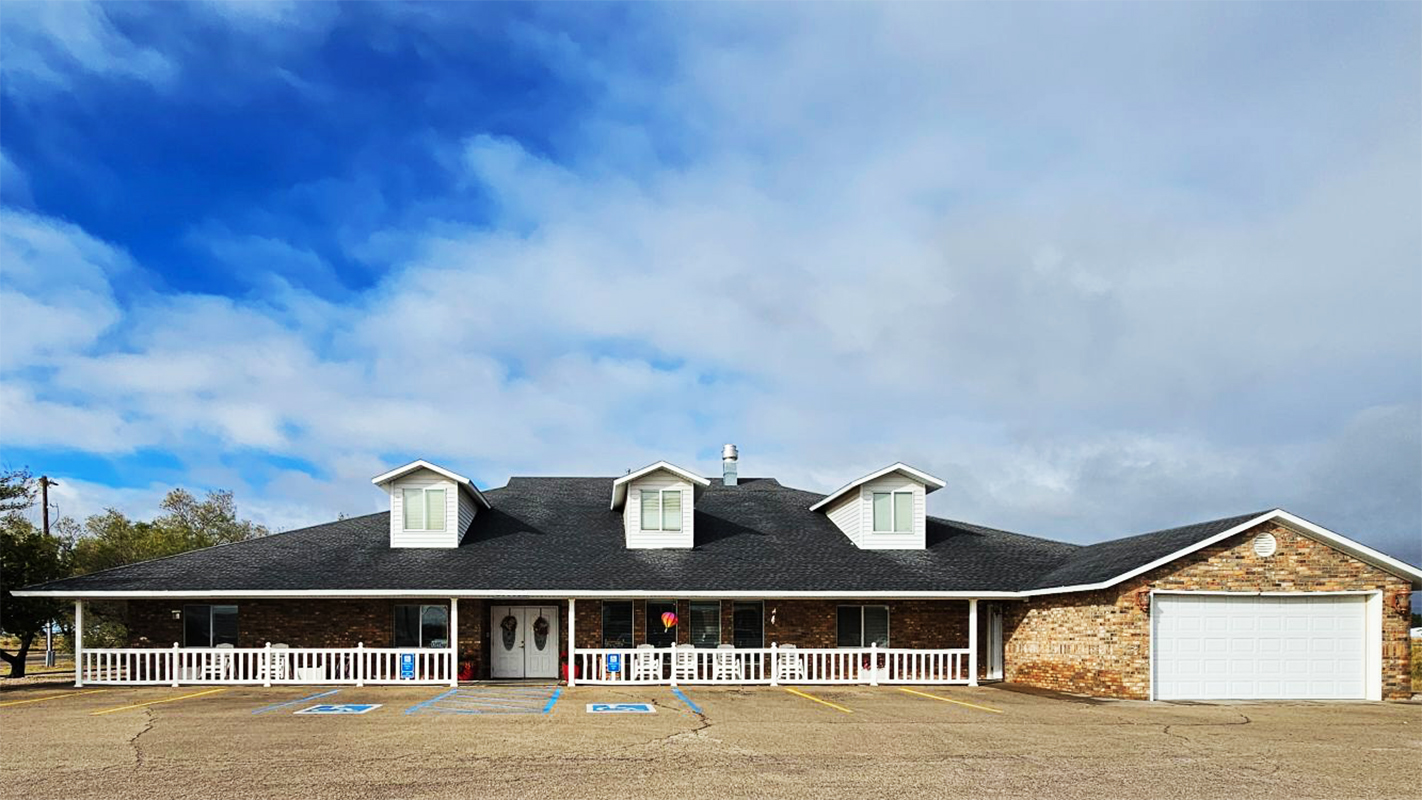
BeeHive Homes of Hobbs
Beehive Homes of Hobbs assisted living is ideal for those who value their independence but require help with some of the activities of daily living. Residents enjoy 24-hour support, private bedrooms with baths, medication monitoring, home-cooked meals, housekeeping and laundry services, social activities and outings, and daily physical and mental exercise opportunities. Beehive Homes memory care services accommodates the growing number of seniors affected by memory loss and dementia. Beehive Homes offers respite (short-term) care for your loved one should the need arise. Whether help is needed after a surgery or illness, for vacation coverage, or just a break from the routine, respite care provides you peace of mind for any length of stay.
1928 W College Ln, Hobbs, NM 88242
Business Hours
Families frequently explain dementia as a long series of bye-byes. Abilities fade, habits shift, and the individual you love can appear to wander in and out of reach. In the middle of that grief, useful questions require answers: where will mom live securely, who will help dad bathe, can we keep her in your home, how long can we manage this?
For numerous, the choice used to feel binary. Either battle to keep a loved one at home with patchwork support, or move them into a large assisted living or memory care neighborhood that feels clinical or impersonal. Over the last two decades, a 3rd choice has actually developed quietly in numerous states: small assisted living homes that focus on dementia care, often accredited as residential care homes or board and care.
These homes lean on something that dementia regularly appreciates: familiarity. Familiar faces, predictable routines, a kitchen area that appears like a genuine cooking area, not an institutional line. The objective is not just security, however a life that still seems like life.
As somebody who has actually spent years walking households through these decisions, exploring neighborhoods, and repairing care strategies, I have seen little homes work incredibly well for the best individual. I have also seen them fall short when expectations do not match truth. The details matter.
This short article looks carefully at how and why familiar, little environments can support individuals coping with dementia, and what to weigh as you think about options.
Why scale and setting matter in dementia care
Dementia impacts more than memory. It alters how a person processes sound, light, motion, and social hints. Noisy dining-room, long hallways, frequent staff turnover and consistent activity can press an already stressed out brain into overload. When that takes place, you do not just see confusion. You see falls, rejection to shower, roaming, or unexpected agitation that appears to appear "out of nowhere".
In bigger senior care campuses, even well run ones, the environment tends to be:
- Bigger, with longer ranges between rooms and common locations
- Busier, with more people moving through typical spaces
Those functions can be positives for some senior citizens, particularly those who are still fairly independent and want range, clubs, and occasions. For a person with moderate to advanced dementia, the exact same features can become exhausting. By four in the afternoon, when "sundowning" generally intensifies signs, I frequently see locals clinging to doorframes or pacing near the nurses' station due to the fact that the building itself does not feel navigable or safe anymore.
Smaller assisted living homes attempt to turn that script. Rather of massive effectiveness, they trade on familiarity and repeating. When your world has shrunk, a smaller stage can be simpler to manage.
What small assisted living homes for dementia in fact look like
Families sometimes imagine a little home as a single nurse in a 2 bed room home. The reality, a minimum of amongst credible providers, is more structured.
A normal residential care home that concentrates on dementia care might have 6 to 12 residents, personal or semi private rooms, shared living and dining area, and a basic cooking area. Lawfully, it is typically licensed as assisted living or as a similar category particular to that state. Staff normally consist of certified caregivers, sometimes a med tech, and an on call nurse. Physicians, physiotherapists, and hospice service providers come in as needed.
The everyday rhythm can feel much closer to a family household than a center. Breakfast smells drift from the kitchen area. Somebody hums while folding towels at the table. The television might be on a familiar video game program. Citizens roam in and out of the very same couple of spaces all day.
For somebody with dementia, that simplicity matters. The brain does not require to re learn a maze of hallways or determine which of three dining-room to use. Instead, it can save energy for more significant jobs, like consuming, walking, or participating in conversation.
Not every small home is the exact same. Some tilt heavily toward memory care, with secure doors, subdued lighting, contrast colored toilet seats, and activity programs tailored to cognitive decrease. Others advertise dementia care however are actually basic assisted living homes happy to accept residents with mild disability. Arranging the difference takes cautious concerns and eyes on the details.
Familiarity as a scientific tool, not a sentimental idea
Families often discuss familiarity in psychological terms. They desire mom "to feel comfortable" or dad "to be surrounded by his things." Those dreams matter deeply, but familiarity is not just nostalgic. It runs almost like a medical tool.
Dementia damages the brain's ability to set new memories, but older, long term memories may stay fairly intact for many years. Familiar objects, regimens, and designs tap into those older memory systems. When a person recognizes their favorite armchair, the sound of a kettle boiling, or the pattern of strolling from bedroom to bathroom, they need less conscious processing to function.
That has concrete effects:
- Fewer "Where am I?" episodes throughout the day
- Less resistance to care, since the bathroom or table feels predictably located
- Reduced anxiety in the late afternoon, when novelty is hardest to handle
In small assisted living homes, the whole environment can be tuned to maximize that kind of recognition. The same caretaker uses morning care most days. Meals take place at approximately the exact same time, at the same table, often with the exact same next-door neighbors. The front door does not change, the porch furnishings stays put, the path to the bedroom is brief and stable.
None of this remedies dementia. What it can do is lower the cognitive "tax" on each job, so your loved one has more bandwidth left for eating, strolling securely, or taking pleasure in a conversation.
How little homes differ from larger assisted living and memory care communities
The labels can confuse anybody. Assisted living, memory care, dementia care, residential care homes, board and care, adult family homes. Various states use various terms, and guidelines vary. So it assists to look at how little homes tend to run compared to larger settings, no matter legal label.
In a bigger assisted living or dedicated memory care community, you usually see larger passages, bigger common areas, and more structured group shows. Staffing is frequently divided by function: caregivers for individual care, med techs for medication, activity personnel, dining personnel, house cleaning. Residents may reside in one building and walk some distance to consume or join activities in another.
In a little residential setting, space and staff mix more closely. The caregiver who assists with a shower might also prep lunch, lead music, or sit to chat over coffee. Housekeeping blends into day-to-day rhythms, with citizens sometimes folding laundry or assisting set the table as a form of engagement. The entire home typically operates in a single, compact "loop" that a resident can walk a number of times a day without getting lost.
The primary benefits families usually see in small dementia focused homes consist of:
- Quicker acknowledgment of personnel and next-door neighbors, which decreases fear.
- Shorter distances to the restroom and kitchen, which reduces falls and incontinence.
- Easier modification of routines, since personnel are handling less people.
- A normally quieter, less revitalizing atmosphere.
There are trade offs. Bigger communities might offer more comprehensive activity calendars, on site physical treatment health clubs, and in house medical centers. Some have devoted memory care units with specific design functions and higher staffing ratios than basic assisted living. For a person in earlier phase dementia who still wants variety and social choices, a larger memory care home can work well.
The secret is to match the environment to the person's current capabilities and character, not to a generic idea of "more care" or "more features".
Daily life inside a small dementia focused home
When households tour these homes with me, they practically never ever ask immediately about care plans or staff training. They ask what memory care home BeeHive Homes of Hobbs a typical day is like. That impulse is correct. Routines, not objective statements, shape quality of life.
Morning often starts gradually. Some locals increase early, others oversleep, and caregivers stagger support to fit personal patterns. In lots of homes, breakfast is cooked to buy within a modest range: scrambled eggs, toast, oatmeal, fruit. The cooking smells alone can push appetites, which tend to decrease as dementia progresses.
Personal care tends to be more flexible than in organizations that operate on tight schedules. If Mr. K has actually always bathed after breakfast rather than before, personnel can typically change. If Mrs. L dislikes showers however endures sponge baths, the group can construct that into her plan. The little scale implies personnel understand not just diagnoses and medication lists, however habits, choices, and aching spots.
Activity in a little home seldom looks like an official "calendar" with color coded occasions, however that does not indicate residents sit idle. Engagement tends to blend with family life: folding towels, snapping green beans, watering plants, arranging photos, sweeping a deck. A lot of these jobs are not busy work. They reconnect individuals with long held roles as parents, hosts, workers, or homemakers.
Afternoons may include short strolls in a fenced backyard, seated workouts, or music. I have actually watched locals who might hardly recall their grandchildren's names sing entire verses of tunes from their twenties. Staff who understand that power keep music close at hand.
Evenings are typically quieter, which fits the requirements of individuals who tire quickly and may experience sundowning. Lights are decreased, television programs are selected thoroughly to prevent violence or complicated plots, and bedtimes follow personal rhythms when possible. Because there are fewer homeowners to keep track of, caregivers can more easily respond to individual requirements as they arise.
From the outdoors, this can look uneventful. From the inside, that steady, foreseeable life is precisely what lots of people with dementia need.
Safety and guidance in a smaller sized footprint
Families often worry that a little assisted living home will be "too casual" to be safe. That anxiety is affordable. The right questions will tell you whether a home has thoughtful systems or is just winging it.
In well run small homes, doors and gates are secured in ways that respect personal privacy while preventing hazardous roaming. Alarms, chimes, and visual hints assist personnel notification when somebody approaches an exit. Floorings are generally level, with very little thresholds and mess. Restrooms have grab bars, raised toilets, and shower chairs as needed.
Staffing ratios differ by state and by time of day, but many dementia focused homes aim for one caretaker for every single 3 to 5 homeowners during waking hours, and one overnight caregiver for the whole home. Some homes include a "floater" personnel who covers meals and individual care throughout peak times.
Critically, due to the fact that the physical environment is small, a single caregiver can frequently see or hear the majority of the home without leaving anybody totally without supervision. Contrast that with a big building, where a fall at the end of a long hallway might go unnoticed for numerous minutes if call systems fail or a resident can not reach a pull cord.
Medication management is another critical safety concern. In certified assisted living or memory care settings, medications are kept firmly and administered on a schedule, often by specifically qualified staff or under nurse supervision. Residential homes that offer dementia care should follow comparable requirements, with clear logs, double checks for high danger drugs, and communication with household and prescribers.
The simpleness of a little home does not replace regulation. You still wish to see approximately date licenses, evaluation reports, and composed policies. The distinction is that in a little setting, policies tend to be lived out completely view, instead of buried in a manual.
The emotional influence on families
One of the hardest parts of moving a loved one into any senior care setting is the sense of quiting, of failing to keep a pledge about "never ever putting you in a home." I in some cases want we could retire that phrase entirely. It catches a worry, not a practical lifelong plan for a disease that can last ten or more years.
Small assisted living homes can soften a few of that psychological weight. Strolling into a real house, sitting at a genuine kitchen area table, seeing your mom's quilt on her bed instead of a healthcare facility style spread, all of that alters the story. Families frequently state, "I seem like I am visiting her at a friend's home."
For adult children who still work or look after their own kids, a smaller sized environment can likewise make communication simpler. You get to know all the personnel rapidly. They acknowledge your number when you call, and you know who is likely to answer the door when you knock at 7 pm on a Thursday. Issues can be attended to on the spot instead of routed through layers of management.
There is likewise relief. When 24 hour guidance, specialized dementia care, and regular jobs like bathing and medication are handled by professionals, family visits can focus more on connection than crisis management.
That does not imply the move is pain-free or that regret vanishes. But a setting that feels familiar and human sized typically makes the shift gentler for everyone.
Cost, availability, and monetary trade offs
For households, financial resources typically drive the final choice more than care philosophy. Little homes do not exist in every region, and where they do, prices vary widely.
In numerous markets, residential assisted living or small memory care homes charge rates similar to mid range assisted living neighborhoods, sometimes a little lower, sometimes slightly greater. Monthly costs frequently fall somewhere in between private responsibility home care for 8 to twelve hours a day and 24 hour home care, which rapidly ends up being unaffordable for the majority of families.
The primary elements behind expense include:
- Staffing ratios and whether there is awake overnight care
- Level of dementia care supplied, particularly for habits or intricate medical requirements
- Location and property expenses
- Whether services like incontinence products, transportation, and cable are bundled or billed separately
Some long term care insurance plan cover care in licensed assisted living facilities, consisting of little homes if they satisfy state criteria. Medicaid coverage varies significantly. In some states, waiver programs partly fund assisted living or memory take care of eligible people. In others, alternatives are restricted or waiting lists are long.
Availability can be a barrier. A city may have lots of big assisted living buildings but only a handful of little, certified residential care homes that genuinely specialize in dementia care. Those homes often run near capability, with wait lists.

For households in backwoods, travel range matters too. The ideal home 90 minutes away might be less practical than an excellent home 15 minutes away, especially if you want to visit regularly or require to react rapidly in a crisis.
Financial preparation for dementia care rarely follows a neat linear path. Numerous households blend alternatives over time: in the house care and respite care early on, then a little assisted living home or memory care community as requirements heighten, and lastly hospice services layered in toward the end of life. Thinking in phases instead of "one long-term solution" can relieve some of the pressure.
When a little home is an especially strong fit
Not everyone with dementia is best served in a small house. Some grow in bigger memory care systems with more structured activities, on website centers, and a sense of "hustle" that matches their outbound personalities.
From experience, the people who often do extremely well in a little, familiar assisted living home are those who:
- Become quickly overwhelmed by sound, crowds, or complex environments.
- Already program significant disorientation in brand-new places, even on brief visits.
- Have a long history of valuing home, regular, and intimate social circles over big gatherings.
- Need close supervision for safety however become fearful or upset in clinical environments.
- Have families who wish to stay associated with daily decisions and communication.
On the other hand, somebody in the extremely early stages of dementia who is still driving in your area, handling fundamental self care, and craving social opportunities might feel confined in a six bed home. For that individual, a bigger assisted living neighborhood with excellent memory care support may provide a much better balance.
Similarly, a person with exceptionally intricate medical needs, such as regular intravenous treatments or ventilator support, might need a knowledgeable nursing center no matter cognitive status. Small residential homes are generally developed for assisted living level requires: aid with bathing, dressing, medications, continence, and mobility, but not intensive medical interventions.
Matching individual, illness phase, and environment is not easy, and it is fine to review the decision as scenarios change. A little home that feels ideal at moderate stage might no longer have the ability to handle late phase symptoms securely, specifically if aggressive behaviors or innovative medical concerns develop.
Using respite care to "try on" a small home
For families who are not sure about a move, respite care can be a helpful bridge. Lots of assisted living and memory care service providers, including some small homes, offer short term remains ranging from a few days to a few weeks. These can cover caregiver holidays, hospital discharges, or trial periods.
A respite remain in a small dementia focused home gives you genuine data. You can see how your loved one responds to the environment, whether they settle reasonably well after a few days, and how personnel handle tough minutes. You also get a taste of life without 24 hour obligation, which can clarify your own needs and limits.
Not every home uses respite, specifically if they run near full occupancy. Some reserve a single space for short term visitors, while others will only offer respite when a permanent bed occurs to be empty. If respite care is very important to you, inquire about it early when you begin touring.
Even if a respite stay is not available, hanging out in the home beyond a fast tour assists. Visit throughout a meal, drop in in the late afternoon when homeowners are most worn out, and watch interactions. The quieter the marketing, the more the everyday truth shows.
What to search for when you tour a little dementia care home
When you step within, your impressions matter, but dig much deeper than paint colors and flowers on the deck. Basic checklists can assist keep ideas straight later.
Here is a quick one you can bring in your pocket:
- Smell: Does the home smell reasonably tidy, without heavy air fresheners trying to mask odors?
- Sound: Is the volume of tv, discussions, and equipment low enough for somebody with dementia to tolerate?
- Staff: Do caretakers know citizens by name, and do they talk with them, not over them?
- Safety: Are floors clear of mess, bathrooms equipped with basic security equipment, and doors protected properly?
- Engagement: Are citizens simply parked in front of a tv, or are at least some associated with easy, significant activities?
After the tour, ask yourself how you felt sitting in the living room for fifteen minutes. Could you imagine your loved one because space, on a typical Tuesday afternoon, week after week? Your body's action frequently catches things your brain tries to rationalize away.

Bringing familiarity into any senior care setting
Even if a small assisted living home is not available or not the ideal fit, you can still use the power of familiarity in bigger assisted living, memory care, or nursing home settings.
Bring in individual items that activate long term memory: household pictures from years earlier, a preferred blanket, a familiar style of lamp, the very same brand of toiletries and cream. Re develop bedtime or mealtime rituals as much as possible. If dad always shaved after breakfast, talk with personnel to keep that timing.
Share detailed biography with caretakers. What work did your loved one do? What foods did they enjoy or do not like? What soothes them when they are distressed? The more personnel can weave familiar themes into day-to-day care, the less alien the brand-new environment will feel.
Familiarity is not limited to physical things. It resides in voices, rhythms, jokes, and little repeated gestures. Whether in a six bed home, a hundred bed memory care community, or at home with limited support, those threads can anchor an individual whose mind has actually become unsteady ground.
Choosing look after somebody with dementia is less about finding the perfect structure and more about finding a location where the individual can still acknowledge themselves. Little assisted living homes that focus on dementia care use intimacy and familiarity as their main tools. For numerous, that technique transforms senior care from a series of transactions into a daily life that still feels personal and knowable.
The choice is rarely basic. It unfolds over conversations, tours, nights of concern, and sincere acknowledgments of what you can and can refrain from doing alone. Comprehending how small, familiar environments work provides you one more strong alternative to think about, and in some cases, that option makes all the difference.
BeeHive Homes of Hobbs provides assisted living care
BeeHive Homes of Hobbs provides memory care services
BeeHive Homes of Hobbs provides respite care services
BeeHive Homes of Hobbs supports assistance with bathing and grooming
BeeHive Homes of Hobbs offers private bedrooms with private bathrooms
BeeHive Homes of Hobbs provides medication monitoring and documentation
BeeHive Homes of Hobbs serves dietitian-approved meals
BeeHive Homes of Hobbs provides housekeeping services
BeeHive Homes of Hobbs provides laundry services
BeeHive Homes of Hobbs offers community dining and social engagement activities
BeeHive Homes of Hobbs features life enrichment activities
BeeHive Homes of Hobbs supports personal care assistance during meals and daily routines
BeeHive Homes of Hobbs promotes frequent physical and mental exercise opportunities
BeeHive Homes of Hobbs provides a home-like residential environment
BeeHive Homes of Hobbs creates customized care plans as residents’ needs change
BeeHive Homes of Hobbs assesses individual resident care needs
BeeHive Homes of Hobbs accepts private pay and long-term care insurance
BeeHive Homes of Hobbs assists qualified veterans with Aid and Attendance benefits
BeeHive Homes of Hobbs encourages meaningful resident-to-staff relationships
BeeHive Homes of Hobbs delivers compassionate, attentive senior care focused on dignity and comfort
BeeHive Homes of Hobbs has a phone number of (505) 591-7023
BeeHive Homes of Hobbs has an address of 1928 W College Ln, Hobbs, NM 88242
BeeHive Homes of Hobbs has a website https://beehivehomes.com/locations/hobbs/
BeeHive Homes of Hobbs has Google Maps listing https://maps.app.goo.gl/NA3yB3pLGCEJrwAC7
BeeHive Homes of Hobbs has TikTok page https://tiktok.com/@beehivehomeshobbs
BeeHive Homes of Hobbs has an YouTube page https://www.youtube.com/@WelcomeHomeBeeHiveHomes
BeeHive Homes of Hobbs has Facebook page https://www.facebook.com/Beehivehomeshobbs
BeeHive Homes of Hobbs has Instagram page https://www.instagram.com/beehivehomeshobbs
BeeHive Homes of Hobbs won Top Assisted Living Homes 2025
BeeHive Homes of Hobbs earned Best Customer Service Award 2024
BeeHive Homes of Hobbs placed 1st for Senior Living Communities 2025
People Also Ask about BeeHive Homes of Hobbs
What is BeeHive Homes of Hobbs Living monthly room rate?
The rate depends on the level of care that is needed. We do a pre-admission evaluation for each resident to determine the level of care needed. The monthly rate is based on this evaluation. There are no hidden costs or fees
Can residents stay in BeeHive Homes of Hobbs until the end of their life?
Usually yes. There are exceptions, such as when there are safety issues with the resident, or they need 24 hour skilled nursing services
Do we have a nurse on staff?
Yes. Our administrator at the Village is a registered nurse and on-premise 40 hours/week. In addition, we have an on-call nurse for any after-hours needs
What are BeeHive Homes of Hobbs's visiting hours?
Visiting hours are adjusted to accommodate the families and the resident’s needs… just not too early or too late
Do we have couple’s rooms available?
Yes, each home has rooms designed to accommodate couples. Please ask about the availability of these rooms
Where is BeeHive Homes of Hobbs located?
BeeHive Homes of Hobbs is conveniently located at 1928 W College Ln, Hobbs, NM 88242. You can easily find directions on Google Maps or call at (505) 591-7023 Monday through Sunday 9:00am to 5:00pm
How can I contact BeeHive Homes of Hobbs?
You can contact BeeHive Homes of Hobbs by phone at: (505) 591-7023, visit their website at https://beehivehomes.com/locations/hobbs/ or connect on social media via TikTok Facebook or YouTube
You might take a short drive to the Western Heritage Museum and Lea County Cowboy Hall of Fame. The Western Heritage Museum offers engaging exhibits that create enriching outings for assisted living, memory care, senior care, elderly care, and respite care residents.